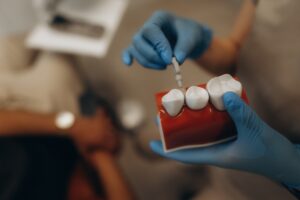

A dental crown is a cap that covers a damaged, weak, or heavily restored tooth to restore its shape, strength, and appearance. Crowns are commonly recommended for large fillings, cracked or worn teeth, after root canal treatment, or to improve aesthetics. One of the most common patient questions is: how much are crowns for your teeth?
The answer varies based on crown material, tooth location, preparation needs, geographic region, and whether sedation or advanced anesthesia is required for comfort. This guide explains crown types, typical price ranges, cost factors, insurance considerations, anesthesia options, and how to choose the right provider.
What Is a Dental Crown and Why You Might Need One
A dental crown fully covers the visible portion of a tooth above the gum line. Crowns restore chewing function, protect weakened teeth from fracture, and improve appearance when teeth are discolored, misshapen, or worn down.
Common reasons for crowns include:
- Large cavities where fillings are no longer sufficient
- Cracked or fractured teeth
- Protection after root canal therapy
- Cosmetic reshaping or restoring bite height
Types of Crowns (and How Each Affects Price)
All-Porcelain / Ceramic
Natural appearance and ideal for front teeth. Typically mid-to-high cost depending on lab work or same-day milling.
Zirconia
Extremely strong and well-suited for molars. Often higher cost but offers excellent durability and longevity.
Porcelain-Fused-to-Metal (PFM)
Balances strength and aesthetics at a moderate price point. A metal margin may become visible over time.
Gold / Metal Alloys
Highly durable and conservative of tooth structure. Material costs may be higher, but longevity is excellent.
Temporary or Resin Crowns
Short-term solutions while a permanent crown is fabricated. Low cost, not designed for long-term use.
How Much Are Crowns for Your Teeth? Typical Price Ranges
In the U.S., single-tooth crowns typically range from $600 to $2,500+ per tooth.
- Resin or temporary crowns are at the lower end
- Porcelain, PFM, and lab-fabricated zirconia crowns fall mid-to-high range
- Same-day crowns may vary based on materials and technology
Prices fluctuate based on region, provider experience, lab quality, and additional treatment needs.
Key Factors That Impact Crown Cost
Material choice – Premium materials require advanced fabrication and finishing
Tooth location & complexity – Front teeth demand cosmetic precision; molars require strength
Additional procedures – Root canals, core buildups, gum work, or extractions add cost
Provider & lab fees – Specialist care and private labs increase quality and price
Need for sedation or anesthesia – IV sedation or general anesthesia adds anesthesiology fees
Geographic differences – Urban and high-overhead regions often cost more
Does Dental Insurance or Medicare Cover Crowns?
Most dental insurance plans cover up to 50% of crown costs, subject to waiting periods and annual maximums. Coverage may be limited to specific materials.
Medical insurance and Medicare generally do not cover routine crowns, unless medically necessary and documented.
Always request a pre-treatment estimate to understand your benefits.
Ways to Afford a Crown
Patients may reduce financial strain by using:
- In-house payment plans
- Third-party dental financing
- HSAs or FSAs
- Phased treatment planning
Requesting a written, itemized estimate helps avoid surprises.
Longevity, Care, and Replacement
Crowns typically last 5–15+ years, depending on material and oral hygiene. Zirconia and gold often last the longest.
Care tips include:
- Brushing twice daily
- Flossing carefully around the crown
- Avoiding ice, hard candy, or grinding
- Regular dental checkups
Signs replacement may be needed include pain, looseness, visible gaps, or gum discoloration.
Anesthesia and Comfort Options During Crown Procedures
Local anesthesia is standard for crown preparation and placement. However, moderate IV sedation or general anesthesia may be appropriate for:
- Highly anxious patients
- Children or special-needs patients
- Medically complex cases
- Multiple or lengthy procedures
Modern opioid-free sedation protocols reduce recovery time and complication risk. Continuous monitoring and trained anesthesia professionals significantly improve safety and comfort.
How America Anesthesia Partners (AAP) Supports Dental Crown Care
America Anesthesia Partners (AAP) delivers board-certified anesthesiologists directly to dental offices using hospital-grade mobile anesthesia units. Their team enables dentists to safely offer IV sedation or general anesthesia without hospital referrals.
AAP supports:
- Opioid-free anesthesia protocols
- Advanced monitoring systems
- Nasal intubation for optimal access
- Sedation for pediatric, special-needs, and medically complex patients
This partnership allows crown procedures to be completed comfortably, safely, and efficiently in-office.
How to Choose the Right Provider for Your Crown
- What crown materials are available?
- Is the crown milled same-day or made by a private lab?
- What experience do you have with crowns?
- What sedation options are offered and who provides anesthesia?
- Can I see an itemized estimate and warranty details?
Confirm anesthesia credentials and monitoring standards if sedation is needed.
Quick Takeaway: How Much Are Crowns for Your Teeth?
Dental crown costs typically range from $600 to $2,500+ per tooth, depending on materials, complexity, additional procedures, provider expertise, location, and anesthesia needs.
Choose a crown that balances durability and appearance, get a clear written estimate, and ask about safe sedation options if anxiety or medical concerns are present. When advanced anesthesia is required, partnering providers like America Anesthesia Partners help ensure comfort and safety without hospital visits.