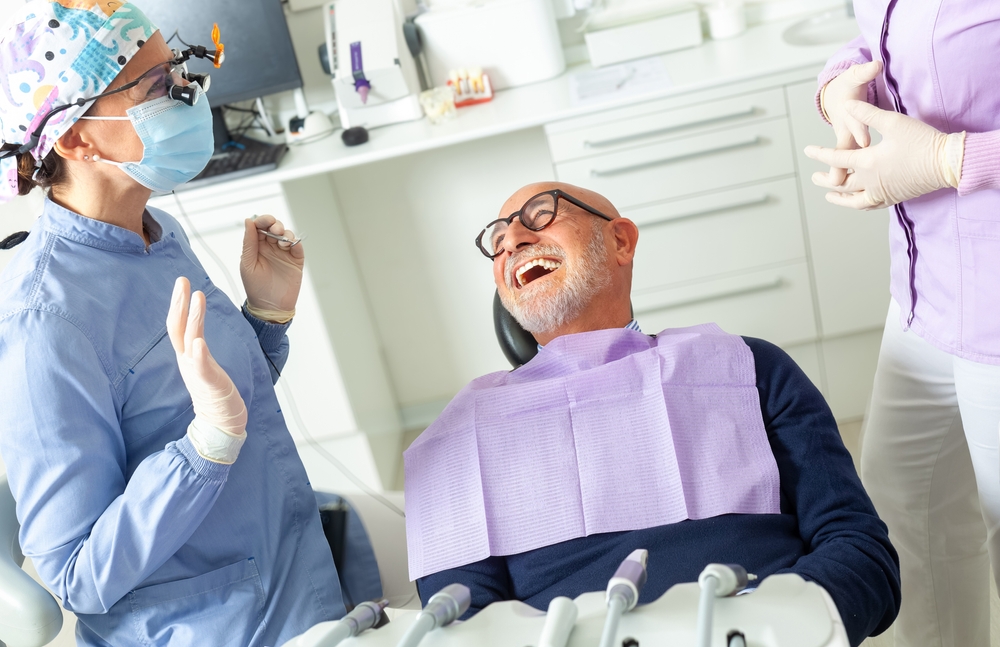
If you or a family member dread long dental visits, need many procedures at once, or have medical or behavioral needs that make clinic care hard, this post is for you. Read on to learn what a mobile dental anesthesia provider Massachusetts offers, when it makes sense, who benefits most, and how to pick a safe, reliable team. You’ll get practical steps to talk with your dentist, what questions to ask, and what to expect before, during, and after anesthesia in the dental office.
What is a mobile dental anesthesia provider in Massachusetts?
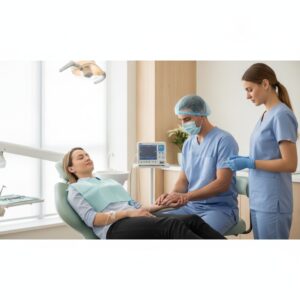
A mobile dental anesthesia provider Massachusetts brings hospital-grade anesthesia into a dental office using compact, mobile equipment. These teams are led by anesthesiologists who deliver IV sedation, deep sedation, or general anesthesia. Instead of going to a hospital or surgery center, the anesthesiologist sets up monitoring and airway equipment inside the dental practice so larger or more complex dental work can be done safely in a familiar setting.
Who benefits most from mobile dental anesthesia?
Patients who often benefit include: – Very anxious adults who cannot tolerate long care while awake. – Children who need multiple procedures or who cannot cooperate. – Medically complex patients with chronic conditions that make transport or hospital stays risky. – People with special needs who do better in a known environment. – Anyone needing many extractions, implants, or long restorative sessions where comfort and safety matter. Example: A child needing several fillings and crowns in one visit can avoid repeated appointments. A patient with limited mobility can get full-mouth care without a hospital referral.
Types of sedation and anesthesia offered
Moderate IV sedation
Moderate IV sedation (sometimes called “conscious sedation”) uses medicines given through a vein to relax you. You respond to verbal cues, may sleep through parts of the procedure, and usually recover quickly. It’s common for complex fillings, multiple tooth work, and anxious adults.
Deep sedation and general anesthesia
Deep sedation and general anesthesia let patients be unresponsive or fully unconscious. These are used for major oral surgery, full-mouth dental reconstruction, or when patient cooperation isn’t possible. Supervision is stricter, and recovery requires more monitoring as breathing and reflexes are closely watched.
Opioid-free protocols & nasal intubation
Many mobile teams use opioid-free plans to lower nausea, shorten recovery, and reduce respiratory risks. Nasal intubation can be used during general anesthesia to keep the airway secure while giving the dentist better access to the mouth. These options are chosen to match surgical needs and patient safety.
Safety standards and clinician credentials to check
Ask about the provider’s training and equipment. Key items: – Board certification or eligibility in anesthesiology and postdoctoral training. – Continuous electronic monitoring (EKG, blood pressure, oxygen, CO2). – Emergency airway tools and medications on site. – Dedicated anesthesia nurse or technician supporting the anesthesiologist. – Clear infection control and sterilization practices. An anesthesiologist-led team matters because specialists in anesthesia are trained to manage airway and medical emergencies that can occur under deeper sedation.
Practical logistics: scheduling, prep, and recovery
Typical steps include a pre-op evaluation with medical history and medication review. Patients often follow fasting rules (no solid food 6–8 hours, clear liquids per provider guidance). Plan for a responsible adult to drive you home. Recovery time varies by sedation depth—moderate sedation may allow same-day return to light activity; general anesthesia can require longer monitoring. Mobile teams coordinate with the dentist’s schedule so procedures start and finish efficiently. Check insurance ahead of time—dental insurance may not cover anesthesia, and medical insurance rules vary. Many practices offer financing plans for out-of-pocket costs.
How mobile anesthesia can expand access to care in Massachusetts
Using a mobile dental anesthesia provider Massachusetts helps practices treat more patients without hospital referrals. That means fewer delays for people who are anxious, homebound, or need complex care. Dental offices can offer full-mouth repairs or surgical cases they might otherwise avoid. For communities with limited access to hospital operating rooms, mobile teams reduce barriers and help more people get necessary dental health care sooner.
How to choose the right mobile dental anesthesia provider in Massachusetts
Use this checklist when comparing teams: – Board-certified or board-eligible anesthesiologists on every case. – Hospital-grade mobile units with full monitoring. – Use of advanced monitoring (capnography, EKG, pulse oximetry). – Opioid-free or tailored anesthesia protocols when appropriate. – Experience with children, special needs, and medically complex patients. – Clear pricing, written consent forms, and transparent fees. – References or reviews from dental practices that partner with them. – Proper state licensure and compliance with Massachusetts regulations. Bring this checklist to your dentist or the anesthesia team and ask for documentation of credentials and equipment.
Why some practices partner with America Anesthesia Partners
Some dental offices choose America Anesthesia Partners because their teams are made up of board-certified and board-eligible anesthesiologists with postdoctoral training. They use hospital-grade mobile anesthesia units, advanced monitoring, and opioid-free sedation plans. AAP offers turn-key setups that integrate with a practice’s workflow and has experience with special needs patients and complex cases. Their model aims to keep care safe, surgical in standard, and easier for patients who need more than routine dental sedation.
Next steps if you’re considering a mobile dental anesthesia provider in Massachusetts
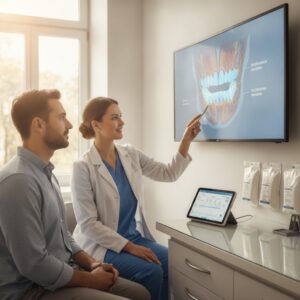
Talk with your dentist about whether mobile anesthesia could help your case. Bring the checklist of safety items and ask which anesthesia partner they use. Request a consultation to review your medical history, the planned procedures, and the full cost and recovery plan. If you or a loved one struggle with dental fear, medical risks, or access barriers, contacting a mobile dental anesthesia provider Massachusetts can be the first step toward getting comfortable, complete dental care.