
Anesthesia is a crucial component of modern dentistry, allowing patients to undergo procedures with minimal discomfort. But how long does anesthesia last for dental procedures, particularly when it relates to teeth? Understanding this can ease worries and set realistic expectations.
Understanding Dental Anesthesia
Dental anesthesia plays a vital role in alleviating pain and anxiety during oral procedures. For patients scheduled for a treatment, knowing how long they can expect numbness or sedation can help them prepare for the aftereffects.
Types of Dental Anesthesia
There are primarily three types of dental anesthesia: local, sedation, and general. Each type has different applications depending on the procedure and patient needs.
Local Anesthesia
Local anesthesia numbs a specific area of the mouth and is used for less invasive procedures like cavity fillings and crown placements.
Sedation Anesthesia
Sedation is often used for procedures requiring more time or when patient anxiety is a factor. It relaxes the patient while keeping them conscious. For more about these services, visit our page on Understanding Dental Anesthesia in Roslyn, NY.
General Anesthesia
General anesthesia is less common in dental procedures but is necessary for extensive surgeries. Patients are put into a deep sleep and feel no pain.
Factors Affecting Anesthesia Duration
The duration of dental anesthesia can vary based on several factors, including the type of procedure and patient-specific considerations such as metabolism and sensitivity.
How Long Does Anesthesia Last for Dental Procedures?
Understanding how long anesthesia lasts for teeth can vary:
-
Local anesthesia – typically lasts 1 to 3 hours.
-
Sedation anesthesia – effects can last for a few hours post-procedure, depending on the sedative used.
-
General anesthesia: Patients may feel groggy for the rest of the day but should recover by the next day.
Managing Expectations Post-Anesthesia
Post-anesthesia, patients might experience numbness, minor swelling, or drowsiness. It’s important to avoid eating or drinking until sensitivity returns to prevent injury. To know more about post-sedation care, check our post-op instructions.
Pediatric Considerations
Children often require special consideration for anesthesia. Practices specializing in pediatric dental care cater specifically to young patients, ensuring safe and comforting experiences.
Safety and Technology in Anesthesia
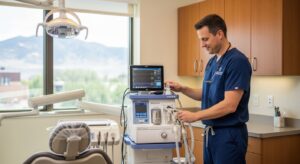
Advancements in technology have significantly improved the safety of dental anesthesia. Practices like AAP Sedation utilize leading-edge equipment to ensure patient comfort and precision during procedures.
Customized Dental Anesthesia Care
Every patient’s needs are unique, and it’s vital to have a tailored approach. AAP Sedation prioritizes individualized evaluations to determine the best anesthesia plan for comfort and efficacy.
Schedule a Consultation with AAP Sedation
If you have questions about anesthesia or wish to discuss your dental needs, schedule a consultation with AAP Sedation. Their expert team is dedicated to ensuring a comfortable and reassuring dental experience.