
Many families and caregivers ask: is anesthesia for special needs dentistry the right choice? If your loved one has trouble sitting still, high dental anxiety, or complex medical needs, a special needs sedation dentist in Virginia can make dental care safer and less stressful. This article explains who benefits, what sedation options exist, safety standards to expect, and practical steps for preparing and paying for care.
What Is A Special Needs Sedation Dentist In Virginia?
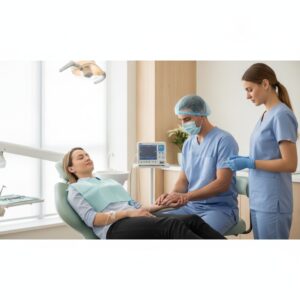
A special needs sedation dentist in Virginia is a provider who works with dental anesthesia teams to give safe, tailored sedation for patients with developmental, medical, or behavioral challenges. Sedation helps patients cooperate during dental work and protects their airway and comfort. It is different from routine dental care because it involves planning, medical review, and continuous monitoring by trained anesthesia professionals.
Who Can Benefit From A Special Needs Sedation Dentist In Virginia?
Many people benefit from specially managed anesthesia during dental treatment. Examples include:
- People with cognitive or developmental disabilities who cannot tolerate routine care
- Patients with severe anxiety or a history of traumatic dental experiences
- Individuals with sensory processing disorders who become overwhelmed in a clinic
- Patients with limited mobility who have trouble getting into a dental chair
- Medically complex children and adults who need careful medical oversight
Choosing sedation is a patient-centered decision. The goal is to make care safe, reduce fear, and allow dentists to complete necessary treatment in fewer visits.
Types Of Sedation Offered By A Special Needs Sedation Dentist In Virginia
Minimal To Moderate (Oral, Nitrous Oxide)
Minimal and moderate sedation include oral medications and nitrous oxide (laughing gas). These options help reduce anxiety and improve cooperation for shorter or less complex procedures. They are best for patients who can follow simple instructions and have lower medical risk. Limits: these methods may not be enough for patients with severe behavioral challenges or those who cannot tolerate masks, pills, or sitting still.
IV Moderate To Deep Sedation And General Anesthesia
IV sedation ranges from moderate to deep and is controlled by an anesthesia provider. Deep sedation and general anesthesia render the patient unconscious for longer or more invasive procedures. Nasal intubation is often used to secure the airway while giving dentists better access to the mouth. Many teams now offer opioid-free protocols to reduce nausea and speed recovery. These options are used when oral or nitrous oxide are not adequate for safety or treatment completion.
Safety Standards, Risks, And Credentials To Look For In A Special Needs Sedation Dentist In Virginia
Safety is the top priority with any sedation plan. When evaluating providers, look for:
- Board-certified anesthesiologists or credentialed anesthetists leading sedation care
- Advanced patient monitoring (EKG, oxygen saturation, blood pressure, capnography)
- Hospital-grade equipment and emergency protocols on site
- Pre-op medical review including doctors’ notes and medication reconciliation
- Clear post-op recovery plans and trained staff for discharge
All sedation carries some risk. Qualified anesthesia teams minimize risk through training, monitoring, and emergency preparedness. Ask about complication rates, how emergencies are handled, and what credentials the anesthesia team holds.
Preparing, Costs, And Access: What To Expect From A Special Needs Sedation Dentist In Virginia
Preparation and logistics matter for a smooth visit. Typical pre-op steps include fasting instructions, guidance on regular medications, and caregiver arrival and pickup plans. Expect a recovery period after sedation; patients often need a responsible adult to take them home and stay with them for several hours.
Cost varies by sedation depth and setting. Some dental offices accept insurance or Medicaid for certain services, but coverage can be limited. Financing options and payment plans may be available. In-office, dental-office-based anesthesia often improves access by avoiding hospital wait times and higher facility fees, making care more convenient and often more affordable.
Why Consider America Anesthesia Partners For Special Needs Sedation Dentist Care In Virginia
America Anesthesia Partners (AAP) provides board-certified anesthesiologists who specialize in dental anesthesia for complex and special needs patients. They bring hospital-grade mobile anesthesia units and nasal intubation capability to dental offices, plus opioid-free protocols and advanced monitoring for safer, faster recovery. AAP’s turn-key model helps dental practices expand access so patients can get care in a familiar office instead of a hospital.
If you think a special needs sedation dentist in Virginia could help, ask your dentist whether they partner with an anesthesia team. Request a consultation to review medical history, sedation options, and logistics. To schedule care, call your dentist and ask about available dates for a consultation with a special needs sedation dentist in Virginia and a board-certified anesthesia team.