
The evolution of healthcare practices has led to the rise of mobile anesthesia services, bringing hospital-grade care directly to other dental offices in states like NY, NJ, MA, MI, OH, and TX. This innovative service offers a convenient and comprehensive care option, ensuring that patients receive tailored anesthesia solutions in familiar settings.
Understanding Mobile Anesthesia
Mobile anesthesia services refer to the provision of anesthesia on-site at dental offices rather than in a hospital setting. Designed to meet the needs of both dental practices and patients, this service enables greater flexibility and efficiency in dental procedures. It’s especially beneficial for patients who may have anxiety about hospital settings or who require anesthesia for outpatient dental procedures.
The Growing Demand for Anesthesia On-the-Go
As healthcare trends increasingly prioritize patient convenience, mobile services have emerged as a preferred option. The ability to receive anesthesia treatment in a familiar environment reduces stress and allows for continuity of care. For many patients, particularly those with busy schedules or limited transportation options, the convenience of anesthesia on the go cannot be overstated.
How Mobile Anesthesia Services Work
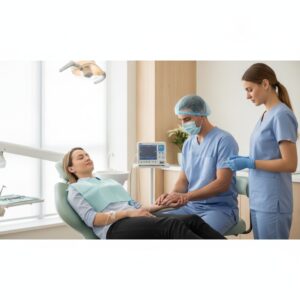
Delivering mobile anesthesia involves a meticulous process to ensure safety and efficacy. From the initial consultation to the day of the procedure, patients are carefully evaluated to determine the appropriate anesthesia plan. Anesthesia professionals use advanced mobile equipment to monitor and administer anesthesia, replicating the high standards of hospital settings.
Step-by-Step Process
-
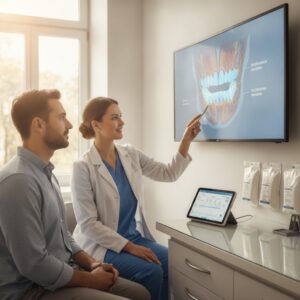
Initial consultation to assess the patient’s health and needs
-
Customized anesthesia plan development
-
Mobile setup at the dental office on the day of procedure
-
Continuous monitoring during and after the procedure
Technology Used
Mobile anesthesia services employ state-of-the-art technology, including portable monitoring devices and advanced anesthetic delivery systems, ensuring that patients receive the best possible care.
Benefits of Mobile Anesthesia
One of the most significant advantages of mobile anesthesia services is the convenience it offers. Patients can undergo sedation without traveling to a hospital, easing the burden of transportation and reducing time commitments.
Patient-Centric Care
By bringing anesthesia services to the patient, these services highlight a commitment to patient-centric care. This personalized approach ensures that each patient receives attentive, tailored treatment in their own dental office.
Comparing Mobile and Traditional Anesthesia
While traditional anesthesia services are typically conducted in hospitals or large clinics, mobile anesthesia offers flexibility without compromising on the quality of care. Patients can benefit from the same level of safety and professionalism, but with added convenience.
Key Differences
-
Location: Mobile services take place at dental offices rather than hospitals.
-
Convenience: Mobile services are often more convenient for patients with busy schedules.
When to Choose Each
Choosing between mobile and traditional anesthesia depends on several factors, including the type of dental procedure, patient health status, and personal preferences.
Safety and Expertise in Mobile Anesthesia
Mobile anesthesia professionals are highly trained and equipped to handle various cases with precision. Patient safety is their top priority, and they are well-versed in handling any potential complications that may arise during anesthesia.
Clinical Experience
Our team boasts extensive experience in administering anesthesia, assuring patients that they are in capable hands throughout their treatment.
Patient Safety Measures
The implementation of rigorous safety protocols ensures that patients are closely monitored and cared for at every stage of the process.
What to Expect During a Mobile Anesthesia Appointment
Patients can expect a seamless and efficient process when opting for mobile anesthesia. The appointment begins with a consultation to confirm the anesthesia plan, followed by setup and administration of anesthesia on the day of the procedure. Aftercare instructions are provided to ensure a smooth recovery.
Timeline
The duration of the process varies with the complexity of the procedure, but typically spans a few hours, from setup to post-procedure monitoring.
Common Patient Concerns and Misconceptions
It’s normal for patients to have questions or concerns about mobile anesthesia. Addressing these directly helps demystify the process and ensures that patients feel informed and comfortable with their treatment options.
FAQ
How safe are mobile anesthesia services?
Mobile anesthesia services are just as safe as traditional hospital settings, with stringent protocols in place.
What types of anesthesia are offered?
Mobile services offer a range of anesthesia types, including general anesthesia and conscious sedation, tailored to individual patient needs.
Can children use mobile anesthesia services?
Yes, mobile anesthesia can be adapted for pediatric patients, providing a safe and comforting experience.
How does billing work for mobile anesthesia?
Billing is typically coordinated with dental practices, ensuring transparent and straightforward processing.
Contact Us
To learn more or to schedule a consultation for your dental procedure, contact Ebrahimi, Sakar today. Our team is dedicated to providing you with the highest standard of care, tailored to your unique needs.