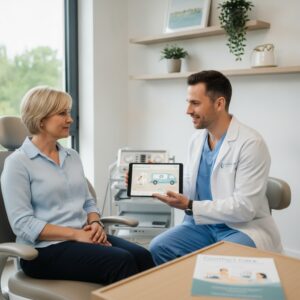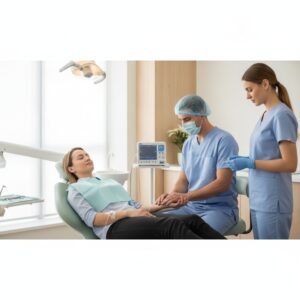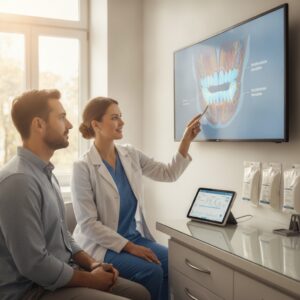
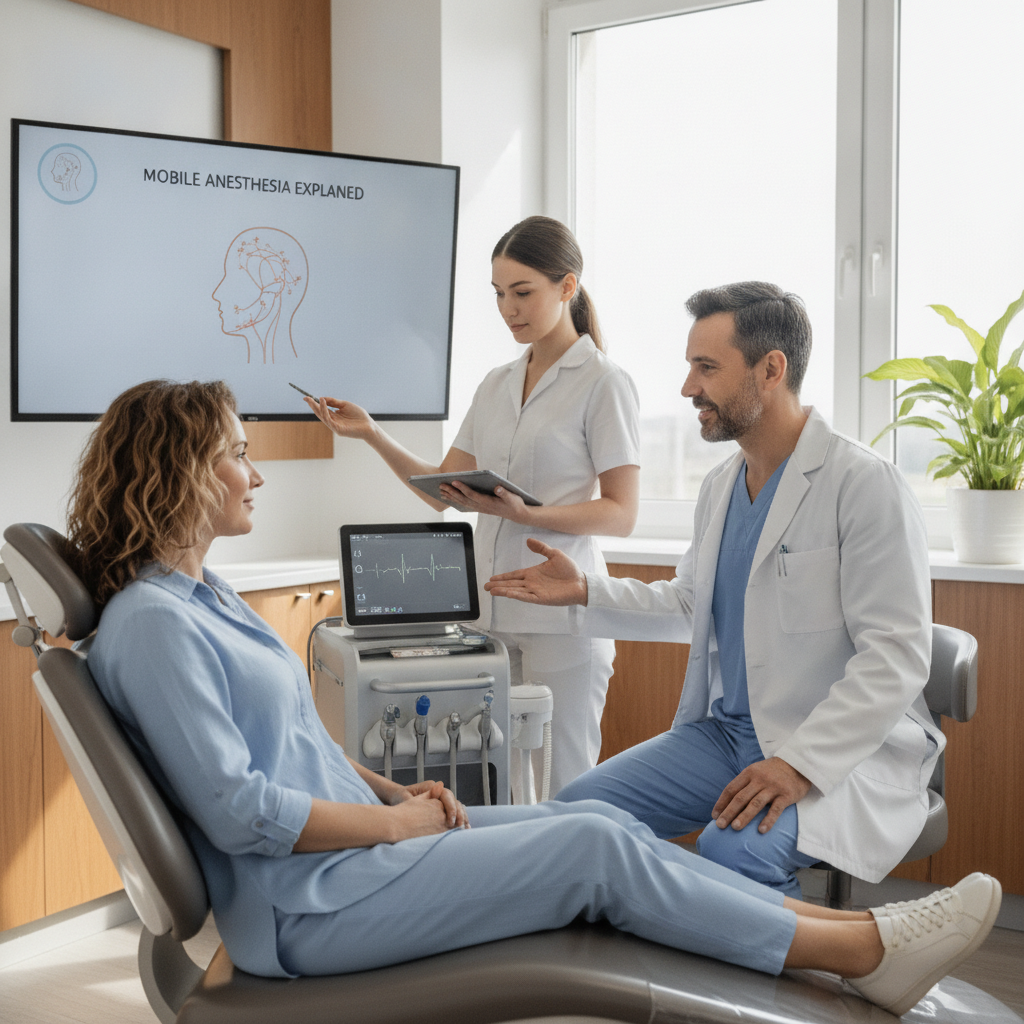
Mobile anesthesia is changing how people get dental work done, especially people who have put off care because of fear, a strong gag reflex, or a procedure that feels too big to sit through awake. At America Anesthesia Partners, our dentist anesthesiologists bring mobile anesthesia right into your dentist’s office, so you can get hospital-grade sedation in a place you already know.
Instead of being sent to a hospital or surgery center, you stay with your own dentist, and a separate anesthesiologist focuses only on keeping you comfortable and monitored from start to finish.
Understanding Mobile Anesthesia
Mobile anesthesia means the anesthesia team travels to the dental practice, along with the equipment needed to sedate and monitor patients. America Anesthesia Partners partners with dental offices in New York, New Jersey, Virginia, Michigan, Massachusetts, Ohio, and Texas. Traditional general anesthesia for dental work has often meant booking time at a hospital, while mobile anesthesia brings that level of care to the office instead.
The service is built for pediatric dentists, oral surgeons, implant dentists, and periodontists, the providers whose patients most often need more than numbing or laughing gas. Our team offers moderate IV sedation and nasally intubated general anesthesia, which keeps the airway secure while leaving the dentist full access to the mouth.
Benefits of Mobile Anesthesia
The biggest benefit of mobile anesthesia is convenience. You get treatment in a familiar office, with the dental team you already trust, instead of adjusting to a new building and new faces on the day you’re most nervous.
There are practical upsides, too. Several treatments can often be done in one longer visit, so you aren’t coming back again and again. Our protocols are opioid- and narcotic-free, which can mean an easier recovery. And because the anesthesiologist’s only job is your sedation, your dentist can focus completely on the dental work.
Mobile Anesthesia in Pediatric Dentistry
For many kids, the dental chair is scary. Bright lights, strange sounds, and a stranger’s hands near their mouth can be overwhelming, and some children simply can’t stay still long enough for treatment. Mobile anesthesia lets them receive hospital-level sedation in their regular pediatric dental office.
That usually means less stress for children and for the parents waiting nearby. Treatments like fillings or extractions can happen in one calm visit, and children with special needs, such as autism or developmental disabilities, can get care in a setting that feels more familiar.
How Oral Surgeons Benefit
Oral surgeons who handle complex procedures like impacted wisdom teeth removal or corrective jaw surgery can offer deeper sedation without sending patients to a hospital. Having a dedicated anesthesia team on-site means fewer scheduling headaches for the practice and a smoother experience for patients. Afterward, patients recover in an office they know, with someone monitoring them until they’re ready to go home.
Mobile Anesthesia for Implantologists
Implant procedures, especially full-arch cases with multiple implants, extractions, and bone grafting, can be precise and time-consuming. Mobile anesthesia helps implant dentists plan longer sessions, with sedation matched to each patient’s health and anxiety level. Patients who might have stopped halfway through a long visit can stay relaxed while the work gets done.
The Role in Periodontal Treatments
Periodontal treatment, like deep cleanings or gum surgery, can be uncomfortable, and people who have avoided the dentist for years often need the most work. Mobile anesthesia gives periodontists a way to treat these patients comfortably, with less anxiety and less awareness of the procedure. For someone who has been embarrassed about their gums, getting everything done in a calmer visit can be a real turning point.
What to Expect During a Mobile Anesthesia Appointment
Before your procedure, our anesthesiologists review your health history, medications, and allergies to choose the right type of sedation. You’ll get clear pre-op instructions, such as having nothing to eat or drink for eight hours beforehand (unless told otherwise) and arranging a responsible adult to drive you home.
On the day of treatment, the anesthesiologist stays with you from the moment you sit down until you’ve recovered, using hospital-style monitoring the whole time. Afterward, it’s normal to feel groggy, confused, or a bit forgetful for a while, so plan to rest at home and skip driving or big decisions for the rest of the day.
Cost and Insurance Considerations
The cost of mobile anesthesia depends on how complex and how long your procedure is. Coverage varies from plan to plan, so it’s a good idea to ask your dental office and your insurance company about costs and coverage before your appointment, so there are no surprises on the day of treatment.
FAQs About Mobile Anesthesia
Is mobile anesthesia safe?
Every type of anesthesia carries some risk, whether it’s given in an office or a hospital. Our team reviews each patient’s health history, tailors the sedation plan, and uses hospital-grade equipment and monitoring. If an office setting isn’t the right fit for someone, we help coordinate other options.
What should I do to prepare for an appointment?
Follow all pre-procedure guidelines from your dentist and anesthesiologist. That includes fasting, taking only approved medications and wearing loose, short-sleeved clothing without nail polish, makeup or jewelry.
How long will the effects last?
It depends on the type of sedation and the procedure. Most people feel drowsy for several hours, and you’ll get specific recovery instructions before you leave.
Who can benefit from mobile anesthesia?
Patients with dental anxiety, a strong gag reflex, a low pain threshold or special needs, and anyone having dental surgery, implant treatment or several procedures at once.
What if I have an allergic reaction?
Our anesthesiologists are trained in advanced life support and stay with you the whole time, with emergency equipment on hand to respond right away.
Dental Care Without the Dread
If fear or a complicated procedure has kept you from the dental care you need, you’re not alone, and you don’t have to push through it alone either. Ask your dentist about working with America Anesthesia Partners, or contact our team to find out how mobile anesthesia can make your next visit calmer and more comfortable.