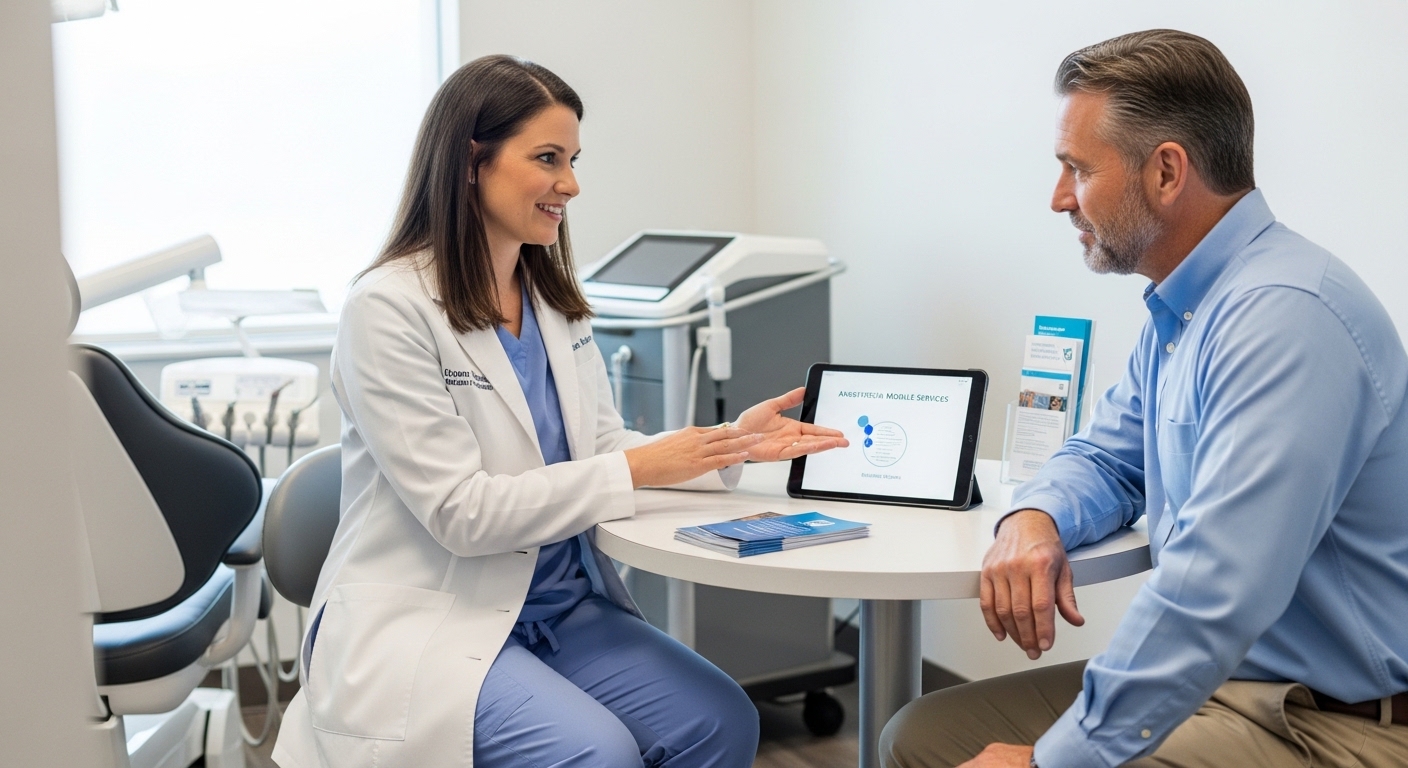
Anesthesia plays a crucial role in modern dental care, ensuring that procedures are carried out smoothly, safely, and with minimal discomfort for patients. With advancements in technology and healthcare delivery, mobile anesthesia services have emerged as an innovative option that provides hospital-grade sedation directly in dental offices. This guide will explore the ins and outs of anesthesia mobile services, how they benefit patients, and what you can expect when you choose this service for your dental care needs.
What Are Anesthesia Mobile Services?
Anesthesia mobile services involve the provision of sedation solutions by licensed professionals directly at your dental care location. This service covers a wide range of dental procedures, from routine cleanings requiring minimal sedation to more complex surgeries requiring deeper sedation. The primary goal is to enhance patient comfort, safety, and accessibility to dental care by bringing specialized anesthesia services to your location rather than requiring transportation to external facilities.
Benefits of Mobile Anesthesia Services
Mobile anesthesia services offer numerous benefits, making them an attractive option for individuals seeking dental procedures:
Convenience and Accessibility
By having anesthesia services brought directly to the dental office, patients experience unparalleled convenience. This is especially beneficial for those with mobility challenges or heavy schedules, as it minimizes travel time and in-office wait.
Enhanced Patient Comfort and Reduced Anxiety
For many, anxiety is a significant barrier to dental care. Mobile anesthesia services can alleviate this fear by ensuring that sedation is administered comfortably in a familiar dental setting, creating a more relaxing experience for anxious patients.
Cost-effectiveness and Reduced Time Off Work
Patients can potentially save on costs associated with travel and time taken off work. Procedures are often streamlined through mobile services, leading to more efficient scheduling and quicker recovery times, reducing overall disruption to daily routines.
How Anesthesia Mobile Services Work
The process of anesthesia mobile services involves several key steps and players:
Step-by-step Process
-
Pre-assessment: A thorough evaluation of your health and sedation needs.
-
Preparation: Coordination with your dental office to ensure all necessary equipment and medications are prepared.
-
Execution: On the day of the procedure, anesthesia professionals administer sedation directly at the dental office and monitor you throughout the process.
-
Recovery: Post-procedure, you will be monitored until it is safe for you to leave the dental office.
Key Players
The service involves a collaboration between your dentist, who performs the procedure, and anesthesia professionals who manage sedation and monitor your safety.
Patient Expectations and Experience
Patients should expect a personalized experience catered to their specific needs. Here’s what generally happens before, during, and after the procedure:
Before Treatment
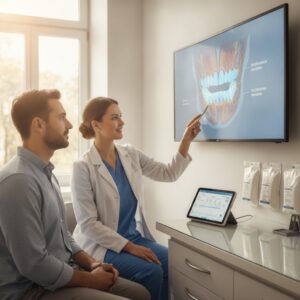
You will likely have a consultation where a detailed health assessment is conducted. Instructions for any necessary preparations, such as fasting, will also be provided.
During Treatment
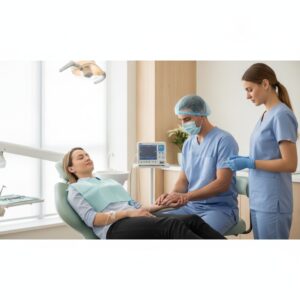
The anesthesia team administers sedation tailored to the type and duration of the procedure. They will continually monitor your vital signs to ensure your safety and comfort.
After Treatment
Post-procedure, you might experience some grogginess, but recovery is typically fast. You will be monitored in the dental office until it’s safe for you to return home, usually with an accompanying person.
Safety and Quality Assurance
Mobile anesthesia services adhere to rigorous safety standards. All professionals involved are highly qualified and abide by state and federal regulations to ensure patient safety at every stage of your dental care.
Regulatory Guidelines
Anesthesia professionals must comply with certification requirements, and service providers must maintain high standards for equipment and medication use, ensuring the same level of care as in hospital settings.
Credentials of Healthcare Professionals Involved
Educated and licensed in their field, they possess the expertise to handle a variety of situations, providing reassurance to patients undergoing dental procedures under sedation.
Comparing Mobile Anesthesia and Traditional In-office Anesthesia
While both services aim to provide effective sedation for dental procedures, they differ in terms of logistics and accessibility. Mobile services offer the unique advantage of flexibility and personalized care without the need for external travel.
Pros and Cons of Each
Mobile Anesthesia: Pro: Enhanced convenience, reduced stress. Con: Availability may be limited to specific regions.
Traditional Anesthesia: Pro: Established infrastructure in hospitals. Con: Requires additional time commitment due to travel and scheduling constraints.
Situational Preferences
Patients with differing needs, for instance, those with specific health conditions, may prefer mobile services for the added convenience and comfort.
Choosing the Right Service Provider
Choosing the right provider is crucial to ensure quality care. Here are some factors to consider:
Questions to Ask
-
What qualifications do your anesthesia professionals hold?
-
How does your service handle emergencies?
-
Can you provide testimonials or references from past patients?
Experience and Reputation Indicators
Look for a provider with a long-standing reputation for successful outcomes, as well as any awards or recognitions from reputable dental organizations.
Anesthesia mobile services present a revolutionary approach to dental care, combining the convenience and advanced aspects of modern healthcare delivery. If you’re considering sedation for your next dental procedure, explore how mobile services can fit your needs. Contact us today to schedule a consultation and discuss how we can make your dental experience as comfortable and seamless as possible.